
KS
Kellen Snider
Co-founder · Engineer · Private Pilot
Software engineer and private pilot. Builds the detection system with firsthand knowledge of the cockpit it serves.
General aviation / Collision avoidance
Atlas is building the first supplemental vision system that removes that dependency. Atlas detects nearby aircraft visually, directly from the cockpit, no cooperation required from anyone else in the sky. It’s a layer of awareness that works regardless of what the other aircraft is or isn’t carrying.
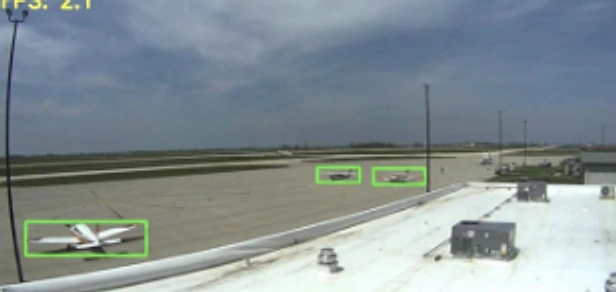
01 The problem
“See-and-avoid” is still the backbone of GA safety, but human scanning has limits, and the electronic tools meant to help only go so far.
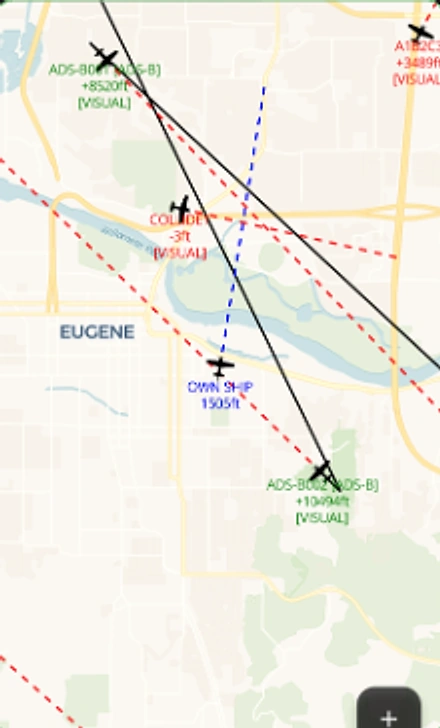
Systems like ADS-B show traffic that’s equipped and broadcasting, which means the aircraft that aren’t stay invisible. Safety today depends on regulations, and on other pilots opting in.
The aircraft you can’t see is the one that matters.
Cooperative only
ADS-B / transponder traffic surfaces. Non-equipped aircraft do not.
Opt-in dependent
Visibility relies on the other aircraft choosing to broadcast.
Human fallback
See-and-avoid carries the gap, limited by attention and blind spots.
02 The solution
Atlas detects aircraft optically, the way a pilot’s eyes would, but without lapses or blind spots. Because it sees rather than listens for a broadcast, it works whether or not the other aircraft is equipped.
This is non-cooperative detection: nothing is required from anyone else in the sky. It’s a supplemental layer that augments the pilot’s scan and existing certified avionics, not a replacement for them.
I
Optical
Detection comes from what the camera sees, not from a cooperating transmitter.
II
Non-cooperative
No transponder, mandate, or opt-in needed from the other aircraft.
III
Supplemental
Augments the human scan and certified equipment already in the cockpit.
03 Why this works / why now
The insight
Every cooperative system shares one assumption: the other aircraft is broadcasting. Remove that assumption and the only detection method left standing is seeing the aircraft directly. That’s the wedge, and it doesn’t depend on anyone else acting.
The timing
Affordable cameras and maturing real-time computer vision on edge hardware make cockpit-grade optical detection newly feasible. The capability that was impractical a few years ago is now within reach of a small, focused team.
04 Technology
Detecting aircraft from the cockpit is a genuinely hard computer-vision problem: small, distant objects against bright and variable sky, identified early enough to matter, on hardware that fits an aircraft and runs in real time.
We’re building a proprietary model for exactly this. Early models are working today; the production vision model is in active development.
Small-object detection
Distant aircraft occupy a handful of pixels against open sky.
Real-time inference
Detections have to arrive while there is still time to act.
Edge constraints
Runs on hardware sized and powered for the aircraft itself.
Varied conditions
Cloud, glare, haze, and changing light across a flight.
05 Validation
Confirmed
Oregon Innovation Challenge
Founders · OIC Fellows
06 Team
Founder-market fit is the point: a private pilot who is also one of the engineers building the detection system. The problem is understood from inside the cockpit.
Co-founder · Engineer · Private Pilot
Software engineer and private pilot. Builds the detection system with firsthand knowledge of the cockpit it serves.
Co-founder · Engineer
Software engineer with years of experience in startups, including running his own software consulting business.
07 Mission
Put more safety in the hands of the pilots flying the airplane, without waiting on anyone else to act.
08 Contact
Investors, technical builders, pilots. If the wedge resonates, we’d like to talk.
Prefer email? kellen@fly-atlas.com
Message received
Thanks for reaching out. This goes straight to the founders, and we’ll reply directly.